
Who I Help
You’re not alone. Whether you’re navigating past trauma, a life transition, or mental health challenges, I’m here to support you.
Adolescents 14+ and Young Adults
Growing up isn’t easy, especially when faced with anxiety, peer pressures, or identity struggles. I specialise in providing a safe space where young people can find clarity and confidence.
Neurodivergent Adults
Navigating life as a neurodivergent person can feel isolating. Together, we’ll focus on your strengths, manage challenges, and build a life that feels authentic to you.
Trauma Survivors
Trauma doesn’t define you—but it can shape how you see yourself and the world. I offer compassionate, evidence-based therapy to help you heal.
IVF Patients
Fertility treatment can be one of the most emotionally demanding experiences a person goes through. The uncertainty, repeated procedures, difficult decisions, and constant waiting can place enormous strain on mental health, relationships, and your sense of control.
As a psychologist in South Perth with specialist interest in reproductive mental health, I provide psychological support for people navigating IVF and other fertility treatments. Therapy can help you manage the emotional highs and lows of treatment, cope with stress and uncertainty, and make informed decisions about your care. My approach combines evidence-based therapy with a deep understanding of the unique psychological challenges fertility patients face.
Because fertility treatment often moves quickly, many people don’t have the luxury of sitting on a waitlist for individual therapy. For those needing support sooner, I also offer Hope Affirm Thrive, an after-hours group program designed specifically for people going through IVF. The program provides immediate access to practical tools, psychoeducation, and peer support from others who understand the fertility treatment journey.
You can learn more about the program here: Hope Affirm Thrive →

“Healing from trauma can also mean strength and joy. The goal of healing is not a papering-over of changes in an effort to preserve or present things as normal. It is to acknowledge and wear your new life – warts, wisdom, and all – with courage.”
— Catherine Woodiwiss

Referrals
Referrals are accepted from individuals, GP’s, psychiatrists and other allied health professionals. I am not currently accepting referrals from Department of Child Protection, NDIS, DVA, WorkCover or lawyers.

Fees and Rebates
50 minute sessions are $280. Medicare rebates can be claimed if referred by your GP under an eligible Mental Health Care Plan, Chronic Disease Management Plan or Non-Directive Pregnancy Support Counselling Service Plan. Alternatively, private health funds may provide some assistance if eligible.
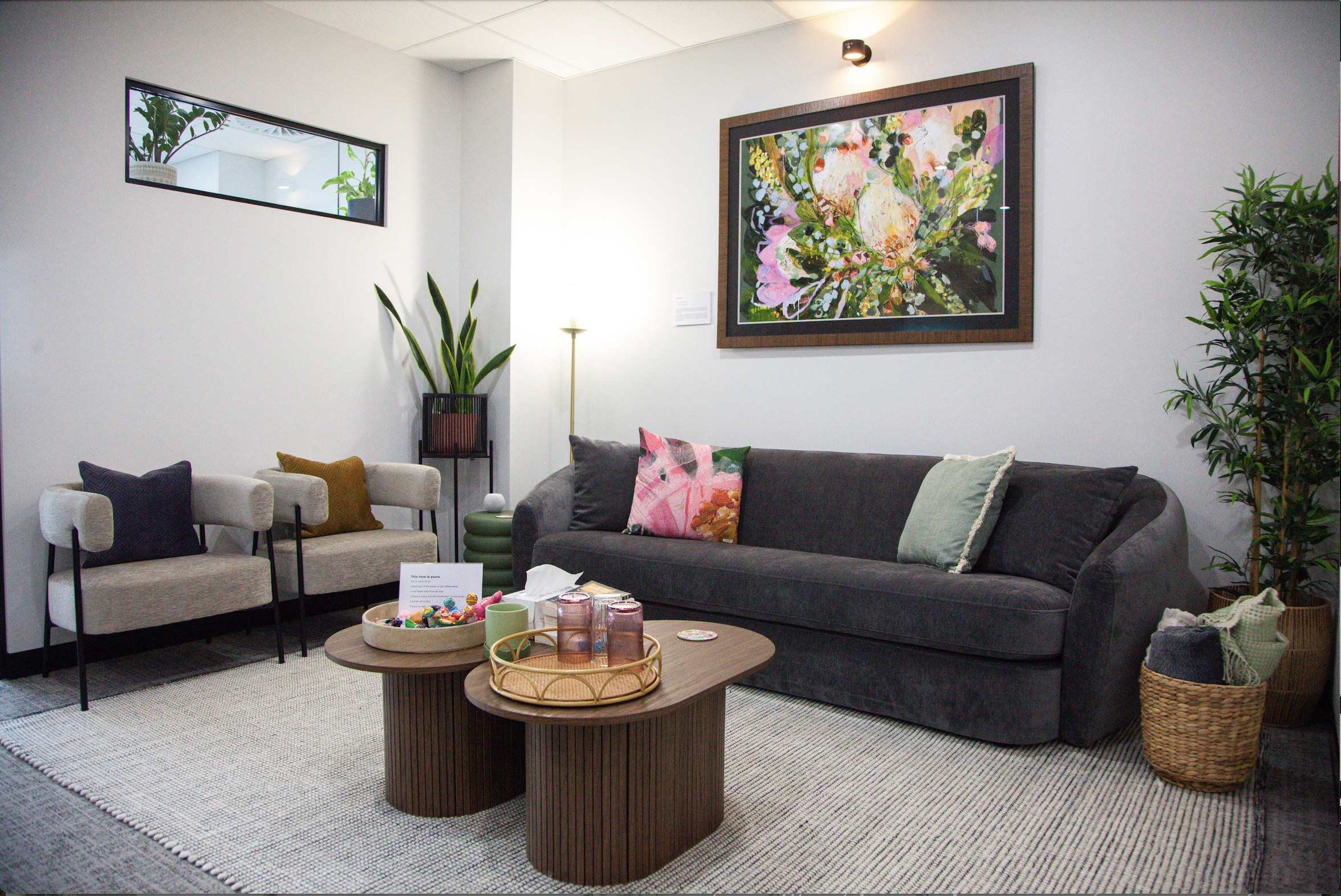
Safe Office Space
I would like you to feel comfortable every time you are at Bancroft Psychology. My practice provides safe, collaborative, personable and affirming care, particularly for our most vulnerable neurodivergent and LGBTIQA+ communities.
My office caters to clients who require inclusive and accessible spaces
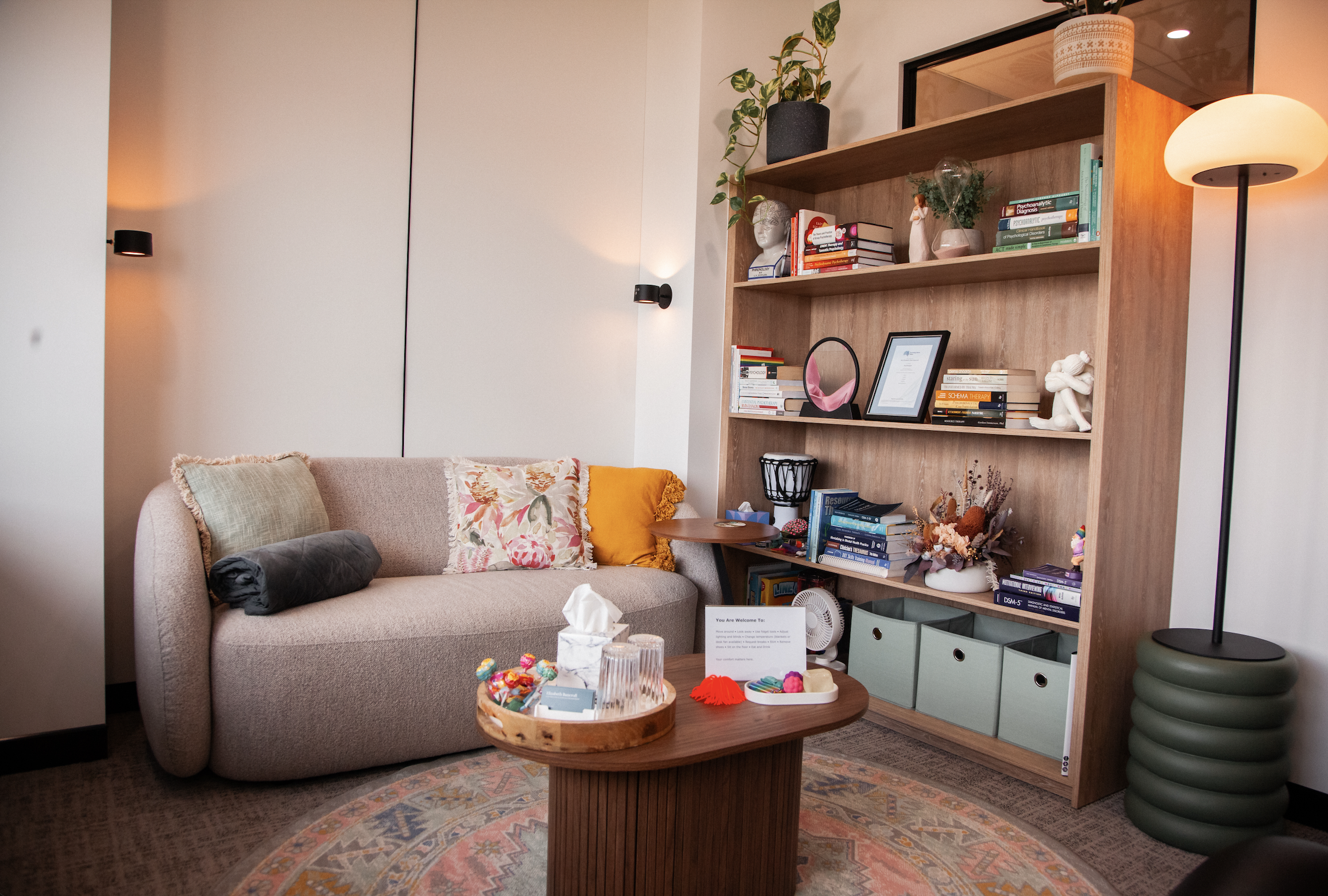
Affirming Therapy Room
At Bancroft Psychology you’ll find my room is easily accessible and filled with affirming signals, sensory soothers, accessible visual cues and diagrams, and sensory-friendly lighting and noise control. You’ll be offered the option of virtual sessions, appointment reminders, flexible scheduling and clear expectations to help you navigate your treatment.
For many Autistic and ADHD clients, the environment of a psychology practice can determine whether they're able to engage with therapy at all before a session has even begun. Fluorescent lights, clinical smells, nowhere to move, nowhere to settle — a space that wasn't designed with sensory needs in mind asks clients to spend their energy managing the room rather than the work.
Bancroft Psychology was built differently. Every element of the space was chosen deliberately: warm lighting, natural materials, adjustable seating, fidget tools, a scent-free environment, and visual cues that communicate from the moment you walk in that you don't need to mask here.
This approach is grounded in research. The design framework behind the practice was published in the peer-reviewed journal Neurodiversity in 2026, and draws on sensory processing literature, trauma-informed design, and the first empirically derived model of neurodiversity-affirming psychology practice.
The video above is a tour of the space. You're welcome to see where you'd be sitting before you come in.